
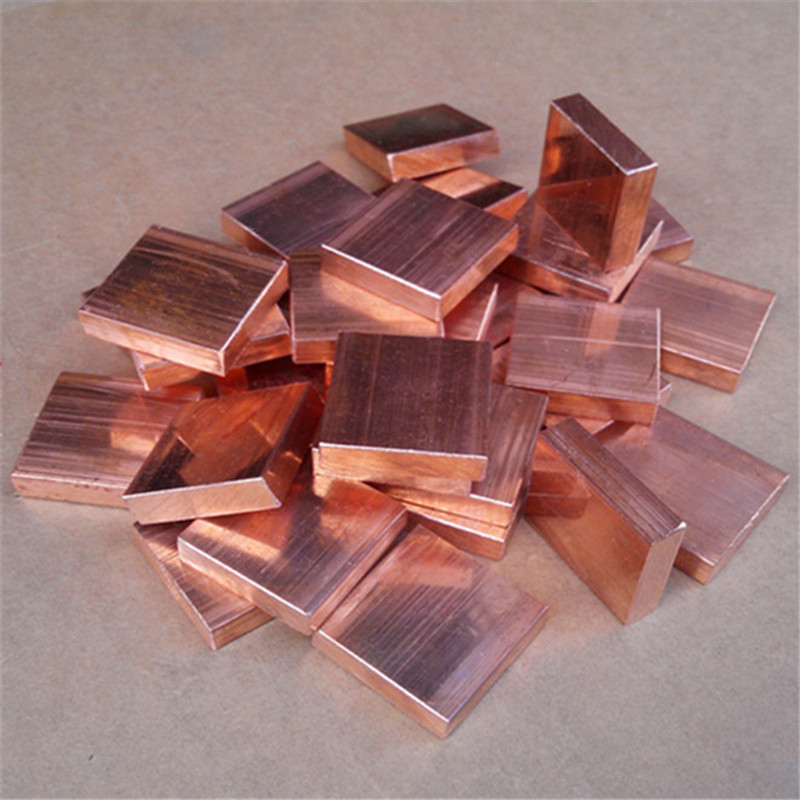
A sample request from a new buyer is a strange kind of transaction. It is small, often urgent, and it carries more weight than its size suggests. The buyer is not just asking for a piece of copper plate. They are testing whether we can read a spec, hit a tolerance, pack a shipment without damage, and answer the phone when something goes wrong. A 6-inch square of C11000 can decide whether a relationship starts or ends before the first real order is placed.
The requests come in different shapes. Some buyers know exactly what they want: a 12 in. x 12 in. piece of 0.250 in. C11000, mill edge, certificate included. Others are less sure. They have a drawing with a thickness callout and a note that says "copper plate, electrically conductive" and they are hoping we will tell them what grade and temper to use. The first type is easy to quote. The second type is where the conversation gets useful, because a sample that is the wrong grade is worse than no sample at all. It wastes the buyer's time, our time, and the freight cost, and it can leave the impression that we do not know our own stock.
So the first thing we do with a new sample request is not pull material. It is ask a few questions. What is the application? Is this for conductivity, corrosion resistance, machinability, or something else? Does the part get bent, stamped, welded, or machined? Is there a tolerance on thickness or flatness that matters? If the buyer cannot answer those questions, we offer a standard sample in the most common grade—C11000 in a thickness close to what they mentioned—and we say plainly that this is a starting point, not a final specification. That honesty saves a lot of back-and-forth later.
The sample itself is usually small. A 6 in. x 6 in. or 12 in. x 12 in. piece is enough for most buyers to check thickness, surface, edge condition, and machinability. We do not send a full plate unless the buyer specifically needs a size that cannot be cut down. A full plate is expensive to ship and expensive to produce as a one-off, and it does not tell the buyer anything more than a smaller piece would. We cut the sample from stock, deburr the edges, and check flatness before it goes out. If the buyer has asked for a specific tolerance or finish, we note what we actually measured, not just what the nominal spec says. A sample that arrives with a measurement report is more useful than one that arrives with a packing slip.
Documentation is part of the sample, not an afterthought. Every sample ships with a mill certificate matched to the heat number, and we include a note that says which grade, temper, and thickness the piece actually is. If the buyer has asked for PMI, we include the results. If they have not asked, we mention that PMI is available on request. That does two things: it shows that we take traceability seriously, and it gives the buyer a reason to come back with a more specific request. A sample without paperwork is just a piece of metal. A sample with paperwork is a small version of the real order.
Cost is the awkward part. We do not give away free samples to every inquiry. A sample costs us material, cutting time, packaging, and freight, and a buyer who is not serious will not value it. For new buyers with a clear application and a realistic order volume, we often send the first sample at no charge or at a nominal cost that covers freight. For buyers who are clearly shopping or who have not thought through the spec, we quote the sample like a small order. That policy is not arbitrary. It filters out the requests that are not going anywhere and keeps the sample process sustainable. We explain the policy up front so there are no surprises.
Packaging for a sample is not the same as packaging for a shipment. A small piece of copper plate can be bent by a courier who does not know what is inside. We wrap it in foam or bubble wrap, put it in a rigid box, and label it clearly. If the sample is a visible surface, we add a protective film. If it is going overseas, we include the certificate and the packing list in a waterproof sleeve. The goal is that the sample arrives in the same condition it left, not with a bent corner or a scuffed face that makes the buyer wonder what a full order would look like.
The follow-up matters more than the sample itself. A few days after the sample ships, we ask whether it arrived, whether it met expectations, and whether there is anything we should change before quoting a full order. That conversation is where the real information comes out. Sometimes the buyer says the thickness was right but the flatness was not. Sometimes they say the grade was wrong for the application. Sometimes they say the sample was fine and they are ready to order. All three are useful. A sample that is sent and forgotten is a missed opportunity. A sample that is sent and discussed is the beginning of a supply relationship.
The new buyers who get the most out of the sample process are the ones who treat it as a test, not a formality. They measure the thickness, check the edge, try a cut, and tell us what they found. They ask about lead times and minimum quantities while the sample is still on the bench. They understand that a sample is not a free gift. It is a small-scale version of the order they are about to place. Our job is to make that small-scale version accurate, documented, and packed well enough that the buyer can trust the full-scale version will be the same.
Thank you very much for writing to us. Please leave your message and contact information, we will reply to you within 24 hours.
HAVE ANY QUESTION?